
Blogs
Media Relations in Asia: More Than a Press Release
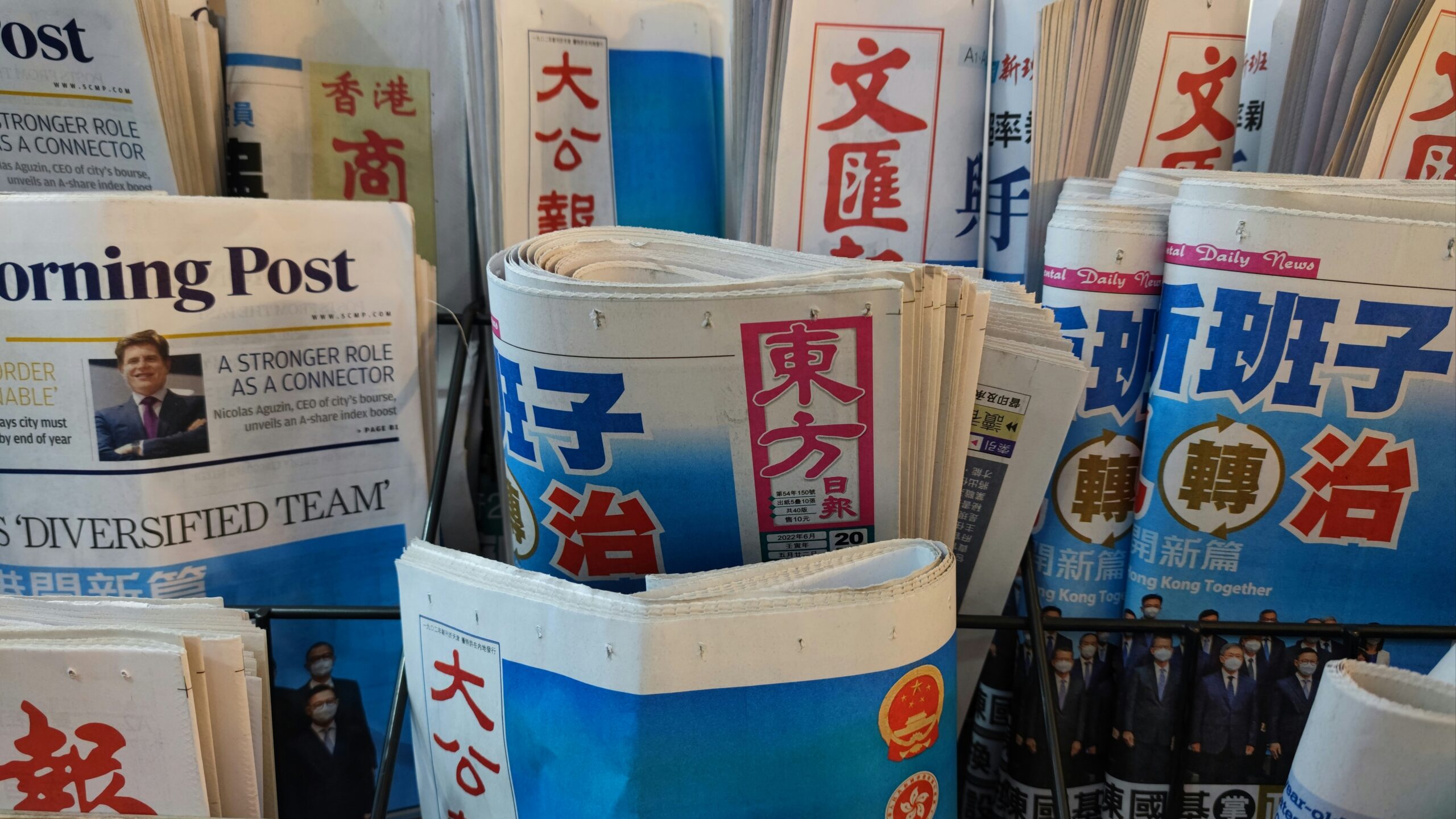
In media relations, there has always been the dynamic between process and narrative, between the mechanics of sending out a press release and the storytelling approach that makes one truly resonate. In Asia, this balance tips decisively toward trust, reputation, and cultural fluency as the true drivers of earned media coverage.
Despite the rise of digital distribution platforms and newsroom automation tools, markets like Hong Kong, Singapore, and mainland China continue to prioritize the quality of the content and the strategic context behind it. For PR professionals working across these jurisdictions, how you engage is often as important as what you distribute.
One Size Doesn’t Fit All
Press releases remain necessary. They ensure accuracy, consistency, and compliance. But in Asia, they are rarely sufficient as standalone tactics.
In Hong Kong, the media environment is highly competitive, and journalists are inundated daily with news from multinationals, local conglomerates, and ambitious startups. A single release that doesn’t come with a thoughtfully crafted message and strategic content is likely to be overlooked.
Strategic engagement enables the provision of important context. It enables PR professionals to position stories within the journalist’s specific beat and editorial agenda, and to connect that with the relevance to evolving market sentiment.
Mainland China presents a different challenge. Media operates under tighter regulation, with content approval processes involving multiple layers. Strategic partnerships become essential for editorial alignment. Thoughtful engagement with editors or state-affiliated outlets can significantly influence whether a story gains traction or remains stalled in review.
Cultural Codes
There’s no such thing as culturally neutral media outreach in Asia. Even in cosmopolitan Singapore, where English dominates the business landscape, success depends on the right timing, tone, and cultural sensitivity. It’s not just about how or when you engage, but how carefully your outreach is aligned with the cultural context.
Meanwhile, in mainland China, “guanxi”, the system of social networks and influential relationships, remains important to the communications strategy. A press release offers basic context, but when sent cold without a trusted intermediary (such as a known PR firm or local partner), it’s unlikely to gain traction. Journalists often evaluate the credibility of the sender before they consider opening the attachment.
Understanding these unwritten rules, such as when to follow up and when to hold back, is what differentiates local expertise from cookie-cutter global PR approaches.
The Long Game of Trust
Media relationships in Asia aren’t transactional. They’re built over time. Successful marketing communications and PR teams invest in relationships, offering journalists useful context, access to credible sources, and insights that help shape their reporting. These interactions may not always lead to a headline immediately, but they build a foundation that pays off in the long run.
We’ve seen this dynamic play out repeatedly with our clients operating across Asia. The most impactful coverage rarely results from a single well-crafted release: it emerges from a consistent drumbeat of strategic interactions that build credibility and shape editorial priorities over time.
Active Member of Your Industry’s Media Ecosystem
Companies newer to Asian markets need to dedicate significant time and effort to establish credibility before they can expect substantial coverage. Without brand recognition and established positioning, organizations face an uphill battle.
Investing in strategic industry memberships can help integrate your organization into the local or regional business ecosystem. This approach is particularly effective in Asia, where being seen as an active strategic contributor to local business communities often matters more than global brand recognition.
Final Thought: Lead With Strategic Understanding
Earned media is one of the few media channels that can amplify and protect your reputation without paying for placement. But in Asia, it only works if you’ve invested in strategic positioning, relationship building, and cultural fluency upfront.
Press releases certainly have their place in the communications toolkit. But if you’re looking to move the needle in Hong Kong, Singapore, or China, don’t start with the distribution list. Start by understanding the market, building relationships, and earning your credibility before you ask for coverage.
Have patience with the process. Building meaningful media positioning in Asia takes time, but the consistent strategic engagement and relevant insights that differentiate your organization will ultimately shape editorial priorities in your favor.
Latest News