Blogs
Media & PR in 2025: Preparing Business Leaders for 2026
If 2024 was the year AI grabbed headlines, 2025 was the year audience behaviour decisively shifted. Across markets, journalists report their top challenge is adapting to fragmented consumption as news increasingly flows through social feeds, video platforms, and emerging chat interfaces rather than destination sites or broadcasts. For PR teams, that means fewer guaranteed pathways to visibility and a greater premium on relevance, data-backed storytelling, and speed. The latest State of the Media survey of 3,000+ journalists crystallizes this: relevance is the single biggest determinant of whether pitches land, while press releases, exclusives, and original research remain the most valued assets, especially in the APAC market, where reporters place outsized value on data and exclusivity.
Global trendlines: a platform-first, trust-scarce ecosystem
Traditional news outlets continue to struggle with audience engagement and subscription growth, while social and video creators, podcasters, and influencers command a growing share of attention—often outside journalistic norms. This “alternative ecosystem” is most pronounced in the United States and several parts of Asia and Latin America, and it is amplified by algorithmic shifts that push news away from publisher sites into feeds and AI-powered summaries. The result is a tougher trust environment: audiences doubt their ability to distinguish truth from falsehood, and journalists list misinformation and verification among persistent pain points. At the same time, LinkedIn has quietly become journalists’ most-used professional platform globally, with near-ubiquitous social usage for publishing, promotion, and sourcing—an important signal for B2B communicators building executive visibility and thought leadership.
APAC specifics: mobile-first, messaging-heavy, and data-hungry
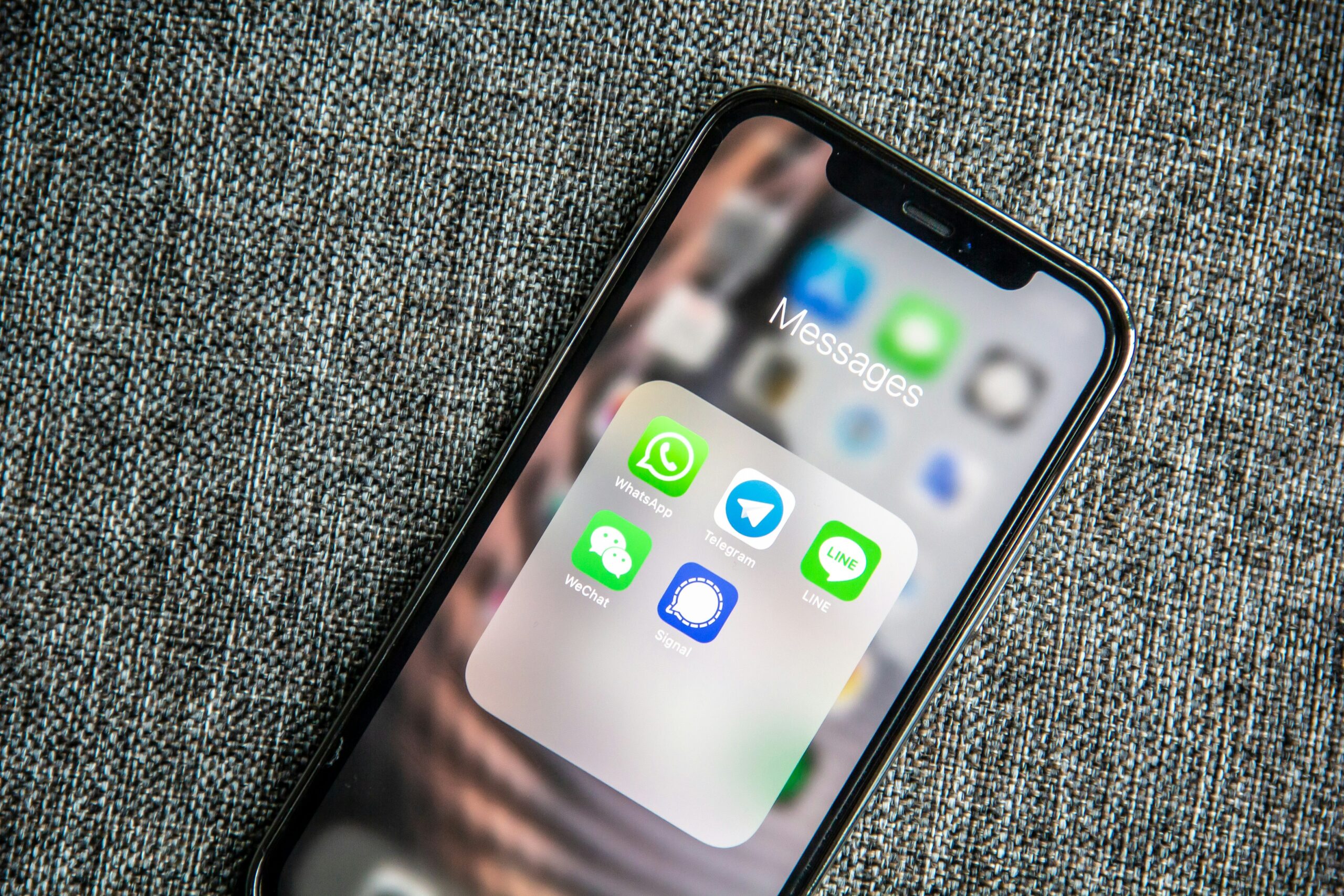
In APAC, social media penetration and daily usage are among the world’s highest, with mobile-first behaviours shaping how news is discovered and shared. Journalists in APAC are more likely to crowdsource information on social platforms, with WhatsApp and region-specific apps (e.g., WeChat in China) prominent for professional use, making private messaging environments crucial to earned-media strategies. Moreover, APAC respondents were the most enthusiastic adopters of generative AI for outlines and early drafts, even as they flagged verification and factual accuracy as top concerns. When it comes to what earns coverage, APAC journalists rank original research and compelling data well above other content types, followed closely by exclusives and interviews with industry experts; multimedia, especially images and data visualizations, also drives pickup.
Social migration to new platforms is real and relevant.
While X retains a large journalist user base in North America, engagement has splintered. Multiple studies in late 2024–2025 show Bluesky attracting a meaningful share of journalistic activity, with higher recent-posting rates than X among surveyed journalists in the US and UK. For B2B brands, the takeaway is not just to chase every platform; it is to audit where target beats are genuinely active and to build platform-specific storytelling, especially on LinkedIn, where video and document uploads are gaining traction in 2025.
AI: from hype to workflow, with guardrails
More than half of journalists now use generative AI tools—chiefly for research, transcription, and summarization—and most say they will consider well-edited, human-validated AI-assisted content from PR pros, even if they prefer human writing. Their concerns are clear: factual errors, declining content quality, and loss of authenticity. For corporate communications, that sets a practical standard: disclose AI use when appropriate, treat AI outputs as drafts, and anchor every claim in verifiable data with transparent sources.
What worked in 2025 for Business leaders
Brands that rebalanced “earned” strategies toward a strategic visibility portfolio performed best: pairing Tier‑1 coverage (credibility) with niche newsletters, podcasts, executive LinkedIn narratives, and multimedia assets (precision reach). The strongest programs led with proprietary data—market indices, usage telemetry, or well-designed surveys—framed to solve a journalist’s need for relevance and proof. And because journalists receive 50+ pitches weekly, the teams that won were disciplined on pitch length (100–300 words), single follow-ups, and regionally appropriate channels (email first; WhatsApp/phone selectively in APAC), while offering rapid access to experts and visuals.
Predictions for 2026: five shifts B2B communicators should plan for
First, agentic AI will begin collapsing traditional discovery paths; persistent AI agents will intermediate a growing share of research and B2B buying, pushing brands to optimize for machine-readable, verifiable content and transparent governance. Expect search traffic to feel the impact as AI summaries absorb queries, making executive authority signals and first-party data more valuable in AI-driven interfaces. Second, platform fragmentation will deepen. Bluesky and Threads will remain smaller than legacy networks but may punch above their weight in certain beats; APAC will continue to rely on messaging super-apps and local platforms, demanding country‑specific channel strategies. Third, trust becomes a differentiator. As synthetic content proliferates, brands that invest in authenticity tech (source watermarks, verifiable research, transparent citations) and proactive misinformation monitoring will outperform. Fourth, LinkedIn hardens as the business newsroom, with accelerated video growth and algorithmic preference for native formats—document/carousel uploads, short video, and interactive posts—over link-outs; executives who sustain consistent, human‑centred publishing will lead category narratives. Finally, comms-org redesign: CMOs will upskill creative roles to harness GenAI while instituting “AI‑free” reviews for critical thinking; PR and marketing teams will adopt composable workflows, integrating research ops, social listening, and crisis response around machine-speed signals.
Actions to take in Q1 2026
Audit where your priority journalists actually engage across LinkedIn, messaging apps, and emerging platforms, then align formats and cadence accordingly; APAC programs should explicitly plan for WeChat/WhatsApp relationships and multimedia-heavy pitches. Stand up a data newsroom: commit to quarterly original research or usage telemetry that your industry cannot get elsewhere, packaged with charts, images, and access to experts—especially for APAC targets who rank data and exclusives highest. Build an AI‑ready content layer: schema-rich press pages, citation‑friendly PDFs, and executive posts that synthesize complex ideas in compact, quotable formats, designed to be surfaced by AI agents and human reporters alike. And formalize trust guardrails: fact‑checking workflows, disclosure policies, and monitoring for deepfakes or misattribution—because in a compressed attention economy, credibility compounds, and lapses are instantly amplified.
For business leaders, the goal in 2026 will not be “more content”; it will be more signal—relevant, verified, executive-led narratives that move seamlessly across human and AI gatekeepers, tailored to the realities of each region, especially APAC’s mobile‑first, data‑driven media environment. Done well, marketing communications and PR become not just a visibility engine but a trust architecture for your brand in a world where attention is scarce and authenticity is strategic.
Latest News